Every focused creature
had help.
For two hundred years people have used the same trick: cover the edges of the eye and the mind settles. This is the history of that trick and where it ended up.
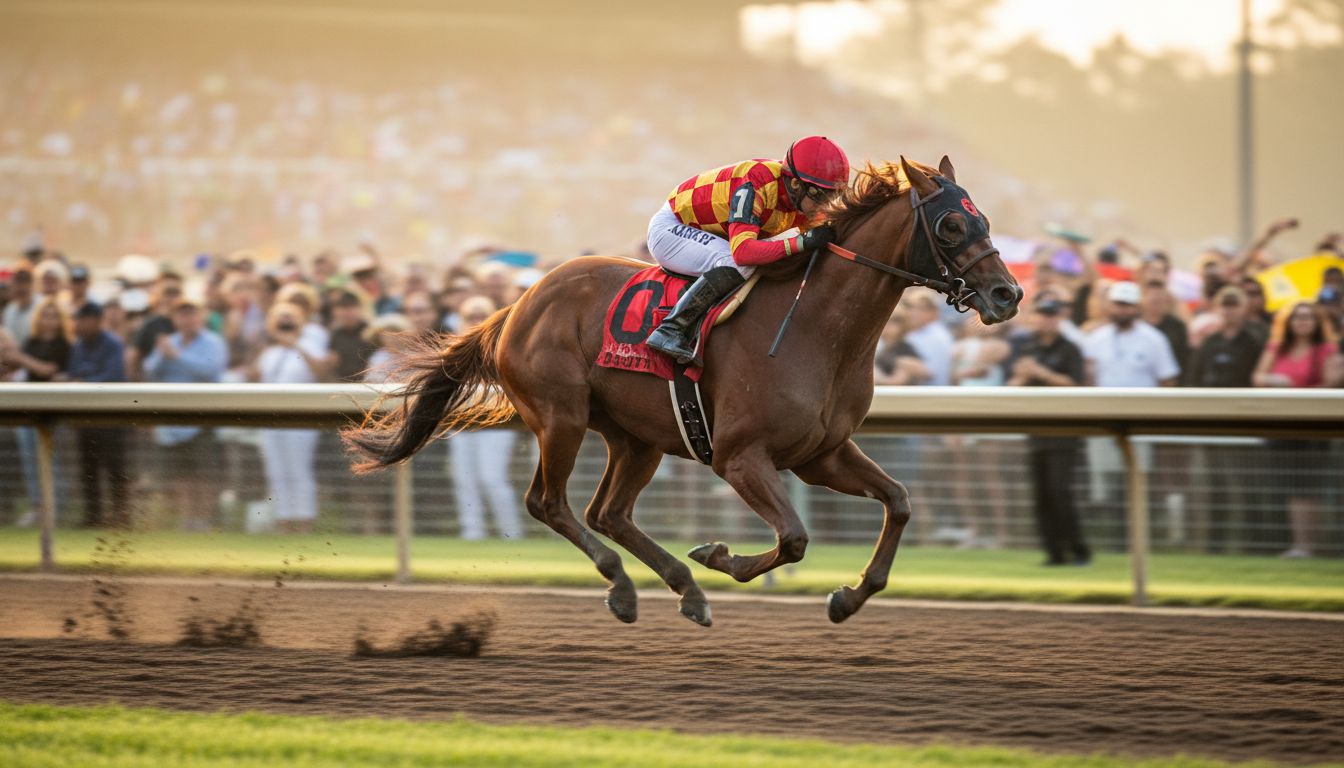
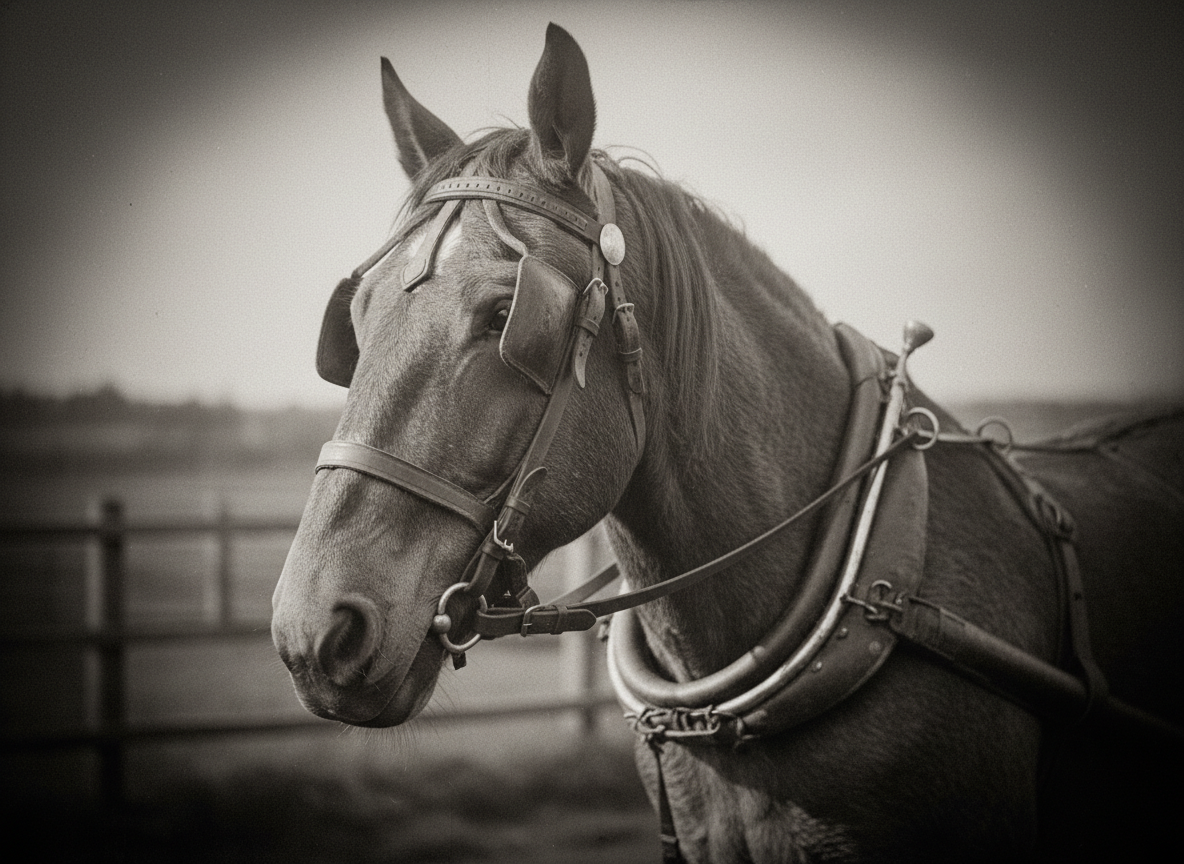
The plough horse
A horse sees nearly all the way around itself. Useful in the wild, a problem in harness. Blinkers cut out the movement behind and beside it. The furrows got straighter and the horse got calmer.
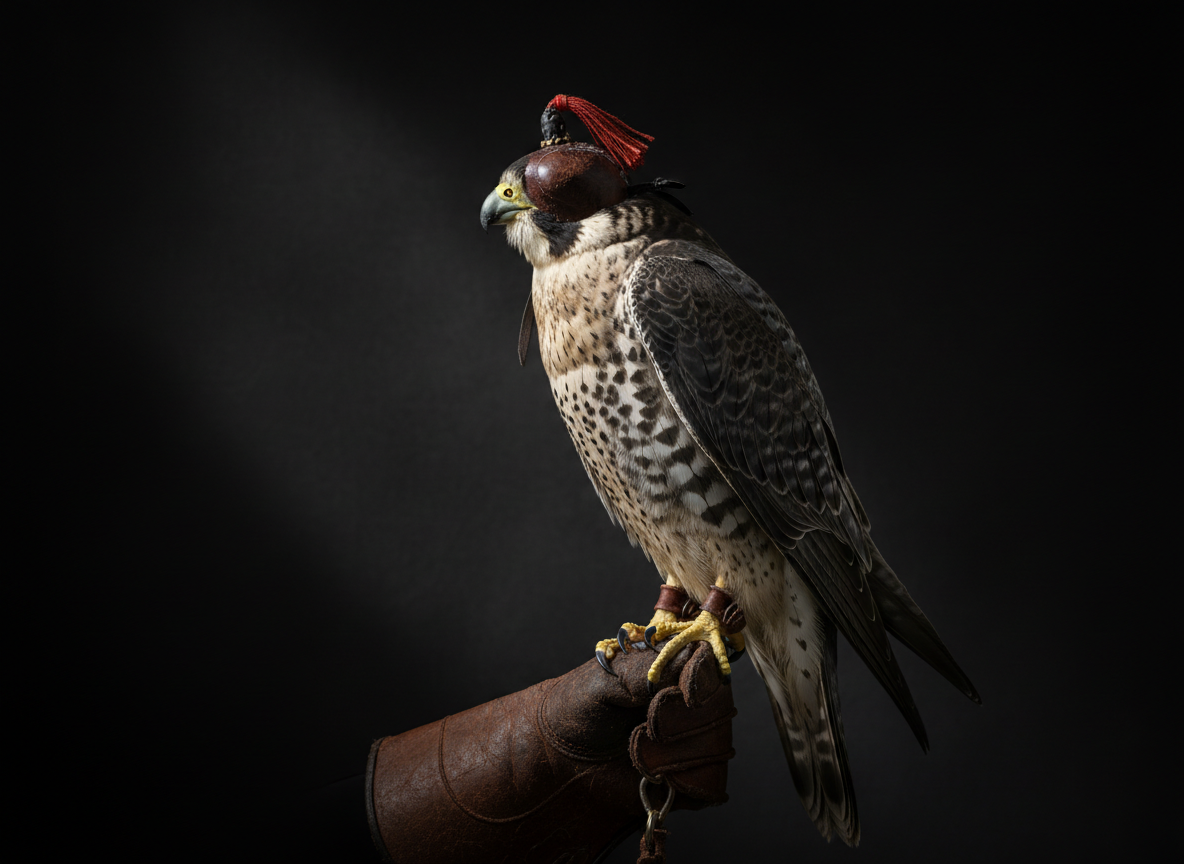
The falconer's hood
Falconers worked it out a thousand years earlier. The fastest animal alive is also easily distracted, and a leather hood is what keeps it calm on the glove. Take the hood off and it sees one thing and goes.
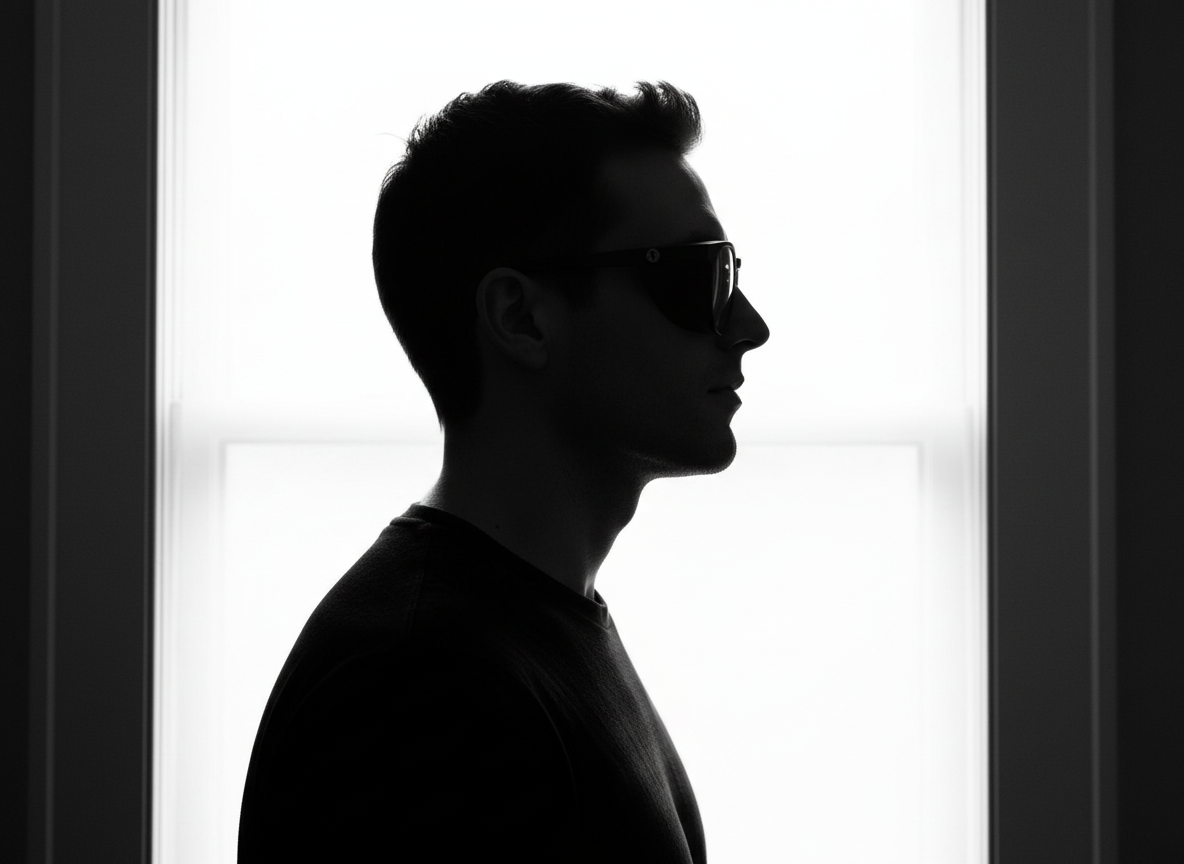
The human
Your visual field is about 200 degrees; your work occupies maybe 30 of them. The rest is taken up by passing colleagues, notification glows and swinging doors. Focus Frames apply the same trick: matte black frames with integrated side shields.